This February, I left my parish in Eastbourne for the icy cold of South Dakota to explore the approaches of different churches and the local community to the ecological issues our planet faces.
Earlier in my ministry as an Anglican priest, I visited the Episcopal Diocese of South Dakota (also part of the Anglican Communion). A grant from The Bill Snelson Young Ecumenists Fund has allowed me to reconnect with contacts there and make new ones in the local Methodist and Presbyterian churches and with Lakota elders on the reservations. The plan was to learn about their different understandings of pressing ecological issues and to discern their theologies. I took along our Diocesan eco-resources to share with them and hoped to gather ideas from their approaches to take back to England. I knew from my previous experience how significant indigenous wisdom had been in shaping local theologies, and I had no doubt that this would be the case when it came to eco-theology too. On my previous trip, I had observed some of the eco-projects the Episcopal church was involved in, and realised when our local diocesan eco-lead came to visit my deanery that the approaches were strikingly different (in focus and method) and that this was an area where there was clearly an opportunity for further work.
I stayed with Canon Lauren Stanley, who is the Canon to the Ordinary in the Episcopal Diocese of South Dakota. I was able to talk with Rev Mercy Hobbs of Trinity Episcopal Church in Pierre about their growing programmes with the community. I met with the minister of the Methodist Church in Pierre to hear about their parish-equipping eco-pack and their experience working with indigenous people. I was struck by the commonalities of their challenges – volunteer time, finding money and financial supporters, the challenge of big industry. We face those at home, too. I was impressed by what so they had achieved with many fewer resources than we have in the UK setting.
I also learned more about local scientific eco projects using native plants and a carbon-sink grass growing programme that the Diocese had promoted to parishes.
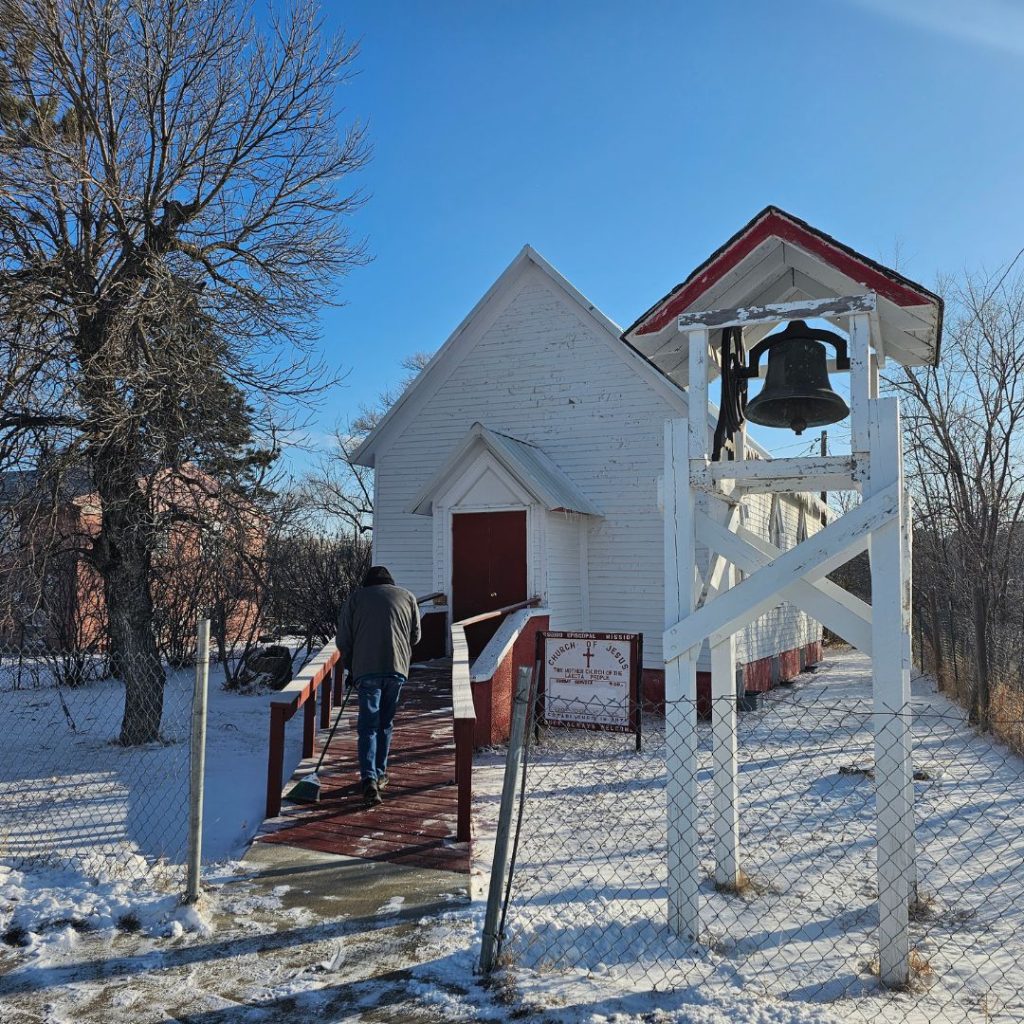
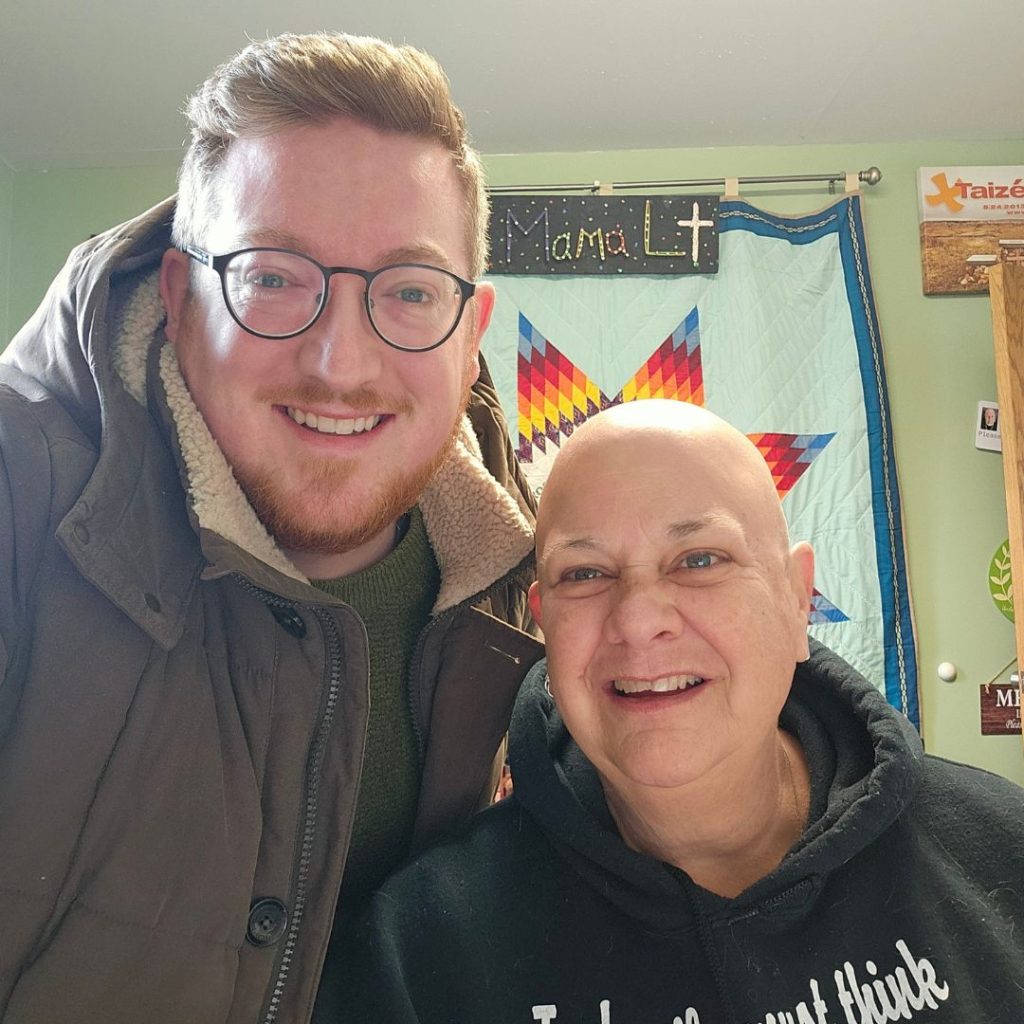
What really made my trip unique was the opportunity to sit down with local indigenous elders. This was real privilege. We sat down privately; they would not allow me to record our conversations. We talked about their creation stories and understandings of their holy relationship with all of creation – animal, plant, rock or human. Their holistic understanding was very interesting to consider alongside locally incarnated Christian thinking. For them, the ecological crisis is not a side issue, nor a middle-class hobby, but something that is intrinsically woven into everything they do. This reinforced for me that the starting point for any eco-movement among churches needs to be the fundamental theological concept of Creation. Until this realisation occurs, action will be difficult. I was inspired by the indigenous understanding underpinning many of my visits and encounters, and how complementary it was alongside my own theology. This experience has allowed me to understand possible approaches to eco-theological issues in a much broader way than I did previously. Now I’m back in my parish, I plan to do a comparison of different denominational eco-resources here in the UK and to consider how this can be an area for ecumenical fruit.
Photo credits: Rev Danny Pegg
Find out about The Bill Snelson Young Ecumenists Fund and read about the experience of other grant awardees.